News analysis ·
SEC 2027 exam priorities: what savers should check
The SEC set its Fiscal Year 2027 exam priorities for advisers, funds and brokers. What an exam is, what it is not, and four checks savers can run.
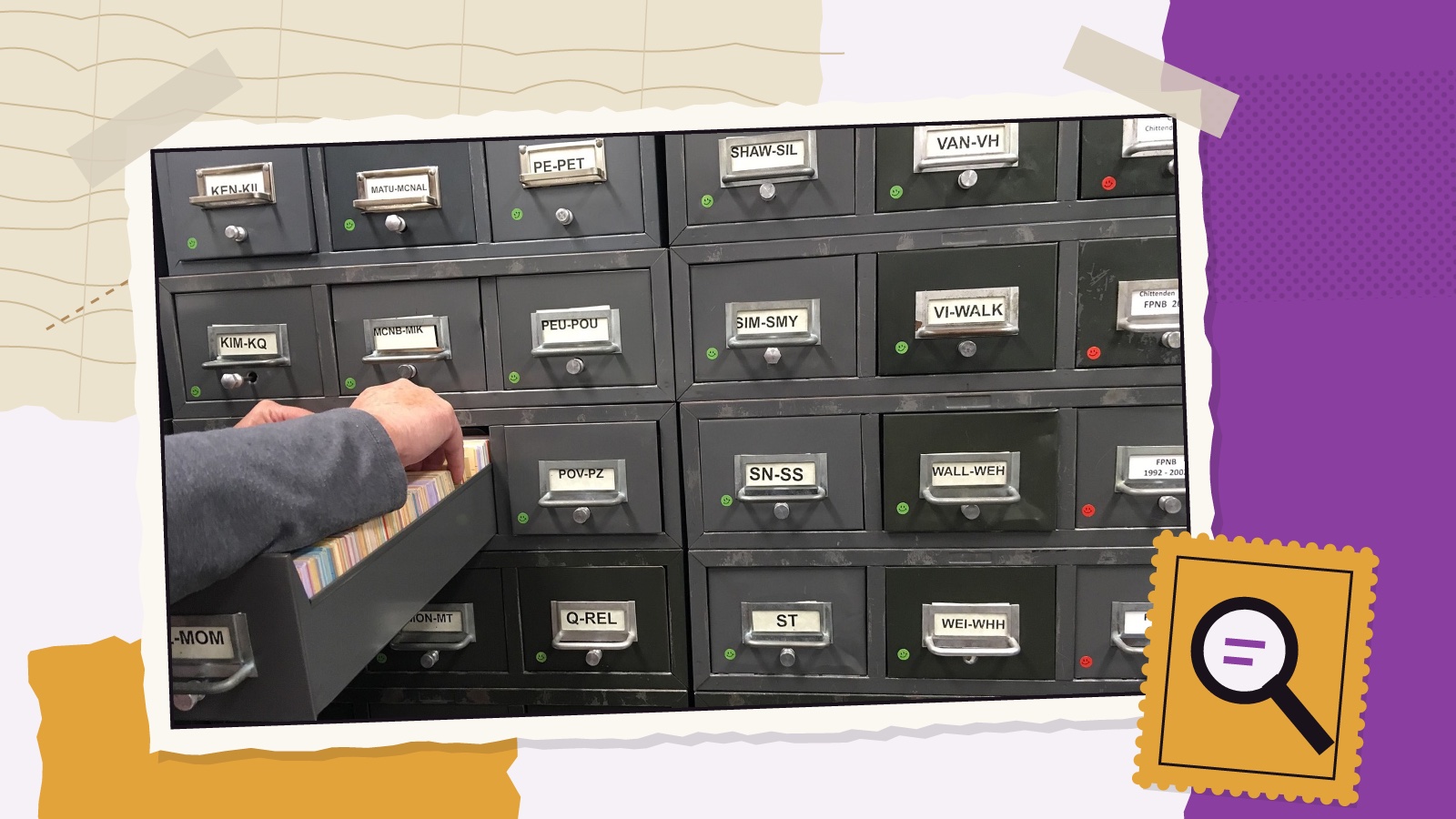
The SEC published the Fiscal Year 2027 examination priorities of its Division of Examinations on 2026-10-23. The plan guides which firms and practices examiners look at most closely in the coming year. This article explains what an SEC exam is, why it is not the same as a stamp of approval, and what savers can check for themselves.
What the SEC announced
Each year the SEC's Division of Examinations sets out the areas it plans to watch most closely. According to the SEC, the division's job is to promote compliance, prevent fraud, spot and track risk, and feed what it learns into Commission policy. The new list points to areas the division sees as carrying higher risk for investors or for market integrity.
The SEC said the priorities were drawn up with other SEC divisions and offices. They rest on past exam findings, market changes, investor worries, talks with industry and new trends. The division also said it wants firms to find it easier to deal with exam findings, and that it is working more closely with SEC policy offices and other regulators so securities laws are applied consistently.
SEC Chairman Paul S. Atkins put the purpose this way: "Examinations are one of the Commission’s most important tools for promoting compliance with the federal securities laws and helping protect investors". Keith Cassidy, director of the Division of Examinations, said the program has to change as fast as markets do and send resources where they have the greatest impact.
Who gets examined, and why it matters to you
The exam program covers more than 34,000 registrants, the SEC said. A registrant is a firm that has signed up with the SEC and must follow its rules. The list includes broker-dealers, investment advisers and investment companies such as funds. It also covers clearing agencies, transfer agents, municipal advisors, funding portals, self-regulatory bodies and swap dealers.
For a saver, the first three matter most. A broker-dealer holds your brokerage account and carries out trades. An investment adviser is paid to give advice or manage money, and many advisers owe you a fiduciary duty, meaning they must put your interests first. An investment company is the legal form behind most mutual funds and ETFs, including many that sit inside workplace retirement plans and IRAs.
An exam is a check, not a seal of approval
An SEC exam is a review of how a firm actually runs. Examiners look at records, fees, disclosures, conflicts of interest and how client money is handled. When they find problems, they tell the firm, and serious cases can be passed on for enforcement. An exam is not the same as an enforcement action, and it does not certify that a firm is safe. Investing in funds, advisers’ portfolios or brokerage accounts always carries risk, and you can lose money even with a well-run firm.
Two points from the SEC's release are worth keeping in mind. First, the agency stressed that the list is not complete: examiners will still review compliance across all of a firm's activities, not only the named areas. Second, the SEC expects firms to run their own strong, risk-based compliance programs that fit their business. In other words, the first line of defence is the firm itself, and the second is you.
No regulator can visit every firm every year, so a risk-based program means attention goes where examiners think the danger is highest. A small firm you use may not be examined often. That is why the habit of checking for yourself matters more than any single report.
How to protect yourself
You do not need to read the full priorities report to benefit from it. These checks take a few minutes and work for any adviser, broker or fund.
- Confirm registration. Look up the person and the firm in the free public databases run by the SEC and the industry regulator for brokers. Make sure the names, addresses and registration types match what you were told.
- Read the disclosure history. The same lookup shows past complaints, sanctions and regulatory events. One old complaint may mean little; a pattern deserves questions.
- Ask how they are paid and who holds your money. Ask in writing whether the adviser acts as a fiduciary, what every fee is, and which independent firm keeps custody of your assets. Statements should come from that custodian, not only from the adviser.
- For funds, read the prospectus. Check fees, risks and the strategy, and compare them with what was pitched to you.
If something does not add up, you can send a tip or complaint to the SEC. Investor concerns are one of the inputs the SEC said it uses to set its priorities.
What happens next
The priorities steer the exam program through Fiscal Year 2027. The SEC said the division will keep assessing risk during the year and may shift its focus in response to market events, investor concerns, new technology, new products and other developments. Savers can watch for later SEC statements and enforcement actions that grow out of this work.
Sources
- SEC, 23 Oct 2026
An AI model drafted this from the official notices and reports listed above. It was published automatically after software checks on figures and wording, without a human edit. It describes rules and protective habits; it is not personal financial advice.