News analysis ·
401(k) Limits for 2027: What the IRS Raised and Kept
The IRS lifted the 401(k) deferral cap for 2027 to $25,500 and kept the IRA limit at $7,500. Here is how the limits work and the habits that matter more.
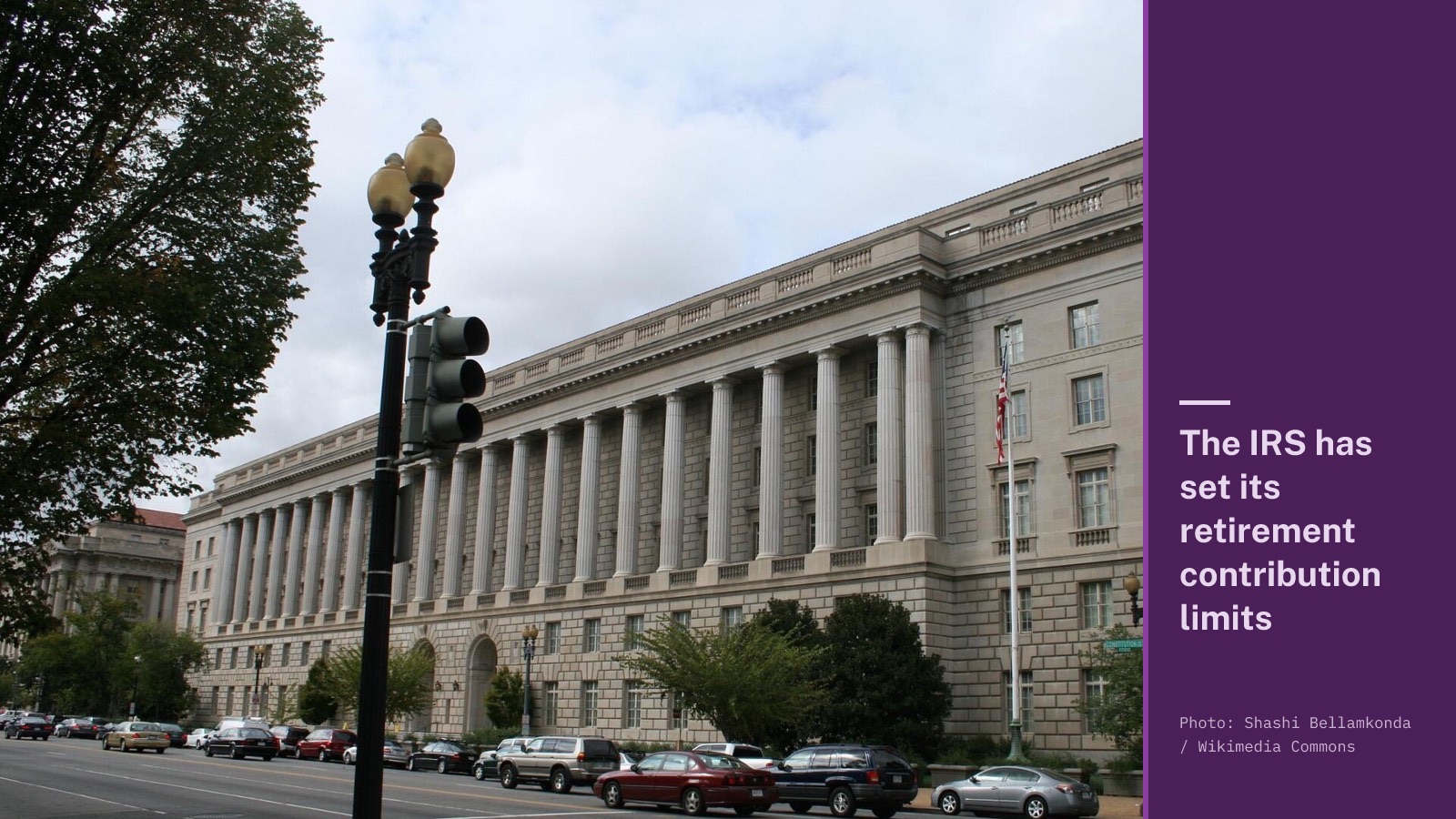
The IRS has set its retirement contribution limits for 2027, raising the main 401(k) cap to $25,500 while leaving the IRA limit unchanged, CNBC reported on 2026-11-12. This article explains what each limit actually controls, who gains the most room, and why the cap is rarely the number that decides how well a saver does.
What the IRS changed for 2027
The headline change is the employee deferral limit. That is the most a worker can move from their own paycheck into a workplace plan in a year. For 2027 it rises to $25,500, from $24,500 in 2026, according to CNBC. The same ceiling applies to 403(b) plans, most 457 plans and the federal Thrift Savings Plan.
Older savers get more room as well. The standard catch-up amount for people aged 50 and over goes to $8,500, up from $8,000. A special window created by Secure 2.0 lets workers aged 60 to 63 add $11,750 instead, which is $500 more than in 2026. Either catch-up sits on top of the $25,500 base limit, not inside it.
Individual retirement accounts did not move. The IRA cap stays at $7,500 and the IRA catch-up for those 50 and older stays at $1,100, the same as 2026. The IRS did lift the income thresholds that decide who may put money into a Roth IRA, though CNBC did not give the new figures. A week earlier the agency had published a wider set of 2027 inflation adjustments, including tax brackets and estate and gift exemptions.
How the limits work, and what they do not do
A contribution limit is a ceiling, not a target. It caps how much tax-advantaged saving the law allows. It says nothing about how much any one person should save, and it does not protect money once it is inside the account. The investments, fees and timing still matter.
It also helps to separate the two kinds of money in a workplace plan. Your deferral is your own pay. The employer match is extra money the company adds when you contribute, usually up to a set share of salary. The deferral limit applies to your part.
The data CNBC cited shows where the real gaps sit. Vanguard's 2026 How America Saves report found only 14% of participants reached the 401(k) maximum in 2025. A Fidelity analysis of 27,300 plans found about 19% of employees in the second quarter of 2026 were not deferring enough to collect the full company match. The two figures measure different groups and years, but they point the same way: missing the match is at least as common as reaching the cap.
Planner Sean Michael Pearson of Ameriprise put the order of priorities plainly: "Before worrying about contribution limits, make sure you're capturing your full employer match."
How to protect yourself
A higher cap is only useful if your own settings keep up. These checks take a few minutes with your plan's website or your payroll team.
- Find your plan's match formula and confirm your deferral rate is high enough to collect all of it.
- If you want to use the larger 2027 limit, change your rate in December; experts told CNBC a change can take one or two pay cycles to apply.
- If you are 50 or older, check whether catch-up contributions are switched on, and whether you fall in the 60 to 63 window that allows more.
- Ask whether your plan offers automatic yearly increases, and decide whether to turn them on or set your own.
Vanguard suggests saving 12% to 15% of pay each year, counting employer money, yet only one-quarter of participants deferred more than 10% in 2025. Vanguard estimated the average total savings rate, employer money included, at 12.1%.
The habit that matters more than the cap
Pearson called steadily raising the deferral rate the key habit. His example was a 1% increase each year, which he said is barely felt in take-home pay. Some plans do this for you. A Plan Sponsor Council of America survey of 753 plans found about 27% used automatic deferral increases in 2025, and 69% of those raised rates by 1% per year.
Automatic increases are convenient, but they are a default, not a plan. A default rate can still sit below the match or below a savings goal. Reviewing it once a year, when new limits come out, is a simple routine to attach it to.
What happens next
The new limits apply from the start of 2027. Experts told CNBC that a rate change can take one or two pay cycles to apply, so December is the month to check. Savers who plan Roth IRA contributions should look up the updated income thresholds directly from the IRS before contributing, since CNBC did not report them.
Sources
- CNBC, 12 Nov 2026
An AI model drafted this from the official notices and reports listed above. It was published automatically after software checks on figures and wording, without a human edit. It describes rules and protective habits; it is not personal financial advice.